
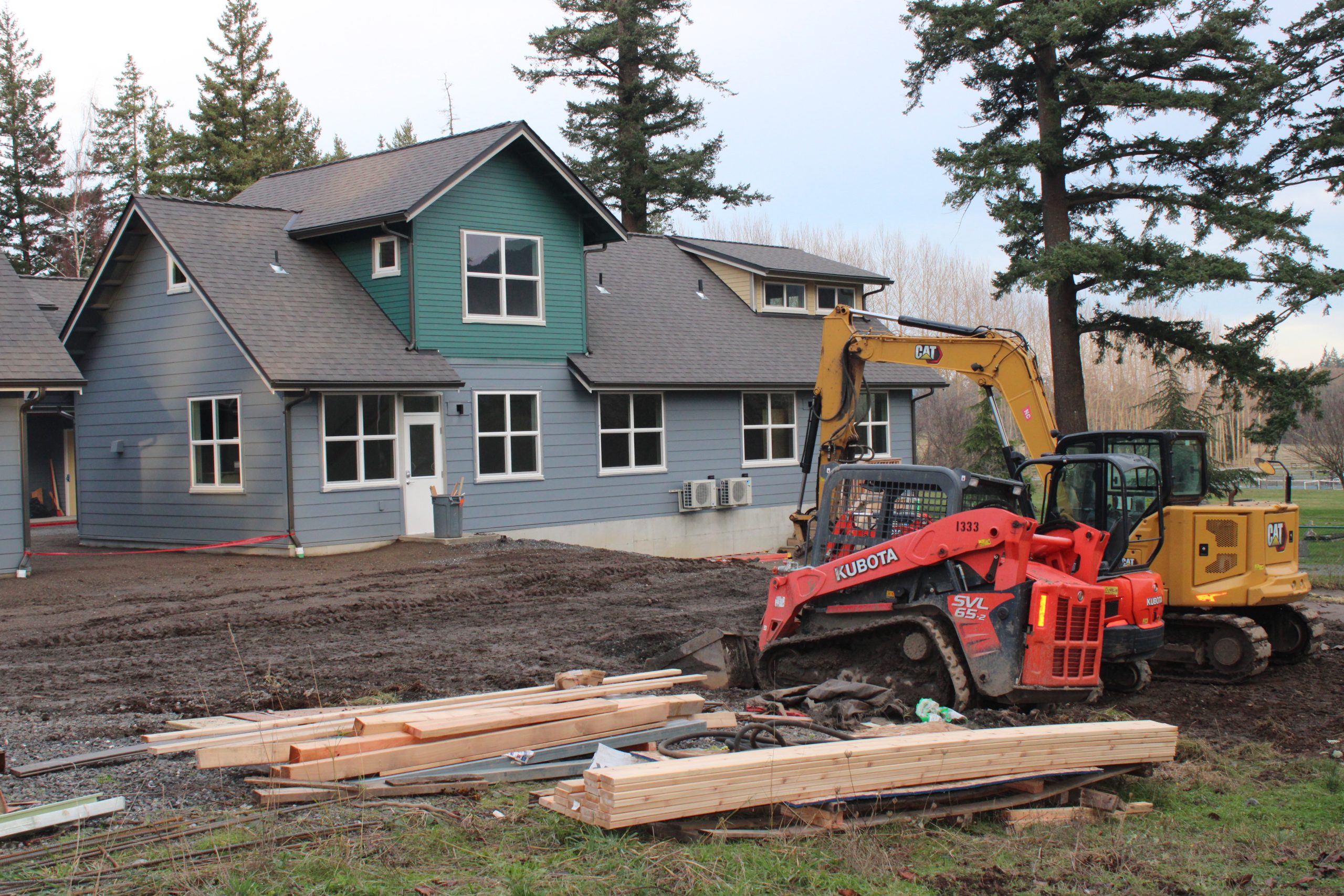
OPAL Community Land Trust housing project nearing completion
The imagery of homes is deeply embedded in American culture. In movies, songs, art, and many social structures, the home is always present. Most social divisions and judgments are based on the size, style, and location of one’s residence. For many groups, it is also their largest investment, often working their whole lives to pay it off. In short, homes are a major factor in the social, economic, and cultural fabric of our lives.
For much of American history, homeownership was beyond reach for most people. Many worked in crowded cities, earning little, and certainly could not buy a house. The best many could do was live in tenements, and by the early 20th century, the homeownership rate among Americans was around 40%, with a much lower rate in cities.
Everything changed after World War II. With the rise of the automobile, Americans became more mobile, and with the onset of the baby boom, many in the United States yearned for homes. Large developments were built in suburban areas, taking advantage of the expanding road systems spreading through American cities. However, money remained a barrier, and it took many years for Americans to save enough to buy homes. Fortunately, this period coincided with a rapid increase in access to consumer debt. Low-interest mortgages enabled millions of Americans to start buying homes. Combined with the booming economy of the 1950s, homeownership rates rose to 60% by the mid-1950s and continued climbing. These developments benefited many Americans. Families who had generations of renters could now own homes for the first time. Along with wages increasing 150% in the 15 years after 1940, it became possible for Americans to live a life that only a generation earlier might have seemed impossible.
However, just a few generations later, that dream again feels out of reach. Today, Americans struggle to pay rent, let alone buy a house. Why? Wages have not kept pace with the rising cost of living, and housing prices have surged. Homes have also grown larger—from under 1,000 square feet in 1950 to about 2,400 square feet today. Building bigger homes offers financial incentives for developers and builders, leading to continuously larger houses even as family sizes shrink. Yet, we still hold onto the mindset of our parents, all yearning to live the American dream. So we take on debt—big mortgages, credit cards, buy now pay later plans, and other forms of consumer debt—to finance these lives. We must work to lower living costs and make life more affordable for the average American. Until then, we should stop sacrificing so much for this dream—because it is no longer a dream; it is a nightmare.